In this Module
The Truth and Reconciliation Comission of Canada
The Truth and Reconciliation Commission’s (TRC) overarching purposes are to reveal to Canadians the complex truth about the history and the ongoing legacy of the church-run residential schools, in a manner that fully documents the individual and collective harms perpetrated against Aboriginal peoples, and honours the resiliency and courage of former students, their families, and communities; and guide and inspire a process of truth and healing, leading toward reconciliation within Aboriginal families, and between Aboriginal peoples and non-Aboriginal communities, churches, governments, and Canadians generally.
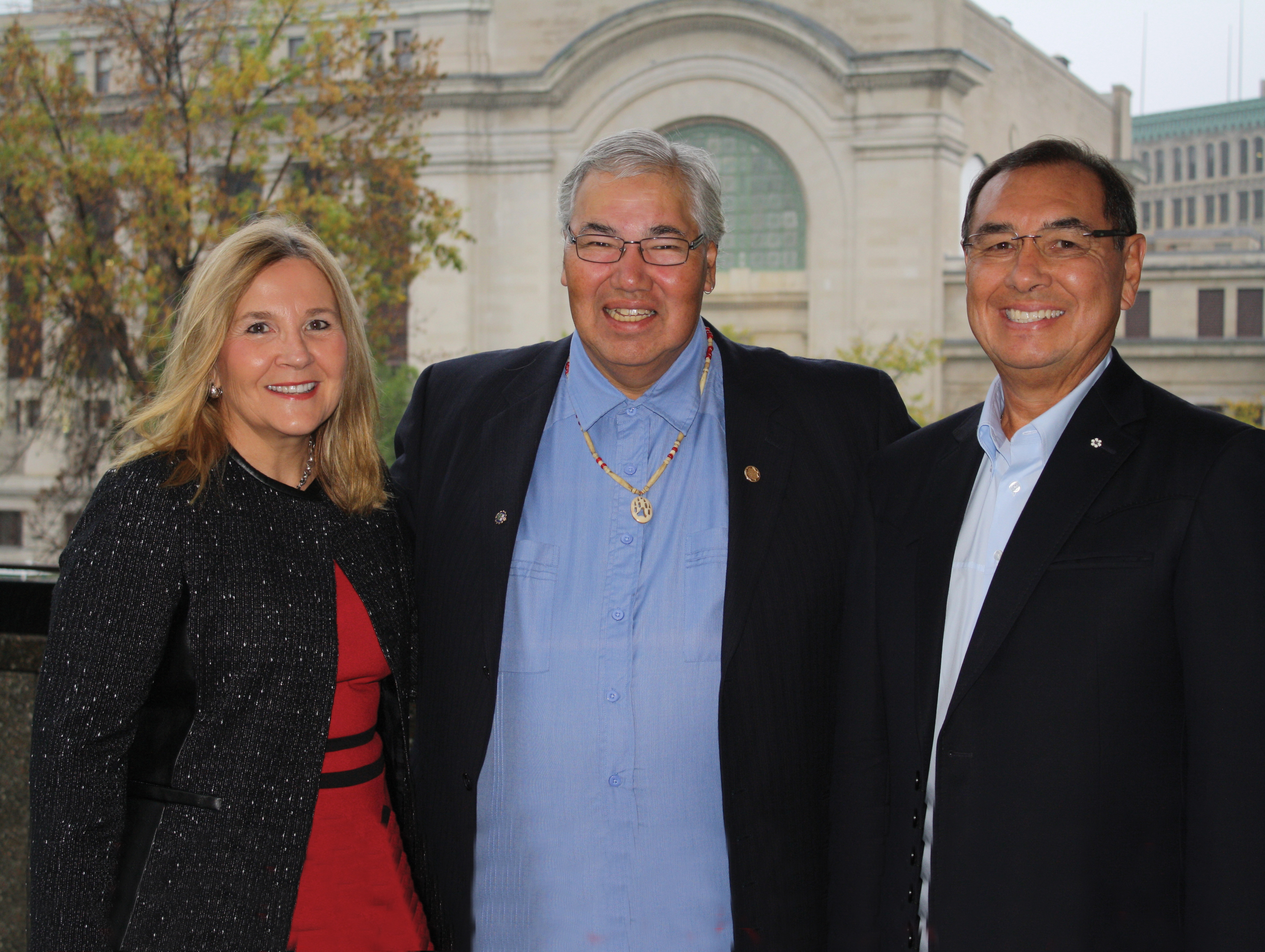
The Truth and Reconciliation Commission spent six years examining Canada’s residential schools. Under the leadership of commissioners, the Honourable Justice Murray Sinclair, Dr. Marie Wilson, and Chief Wilton Littlechild, the TRC produced corroborating evidence of physical and sexual abuse, institutionalized child neglect, higher than normal mortality rates in schools, and horrific government-directed assimilation tactics. The report confirms much of what we already knew or suspected about the federal government’s apartheid-like assimilation policies and how they were driven by a European sense of racial superiority. The TRC’s work is critically important to ensure Canadians have a full understanding of their history.
Commission chair Justice Murray Sinclair said: “We must remember that at the same time that aboriginal children were made to feel inferior, generation after generation of non-aboriginal were exposed to the false belief that their cultures were superior. Imperialism, colonialism and a sense of cultural superiority linger on. The courts have agreed that these concepts are baseless and immoral in the face of inalienable human rights.”
Indigenous leaders greeted the release of the Truth and Reconciliation Commission’s summary report on residential schools with openness while urging all Canadians to embrace the findings and close the gap.
Calls to Action
In 2015, Prime Minister Justin Trudeau declared that his party would adopt and implement all 94 recommendations from the TRC’s report. Those recommendations, or Calls to Action, range from drafting new and revised legislation for education, child welfare and Aboriginal languages to implementing the United Nations Declaration on the Rights of Indigenous Peoples and creating a national inquiry into murdered and missing Aboriginal women.
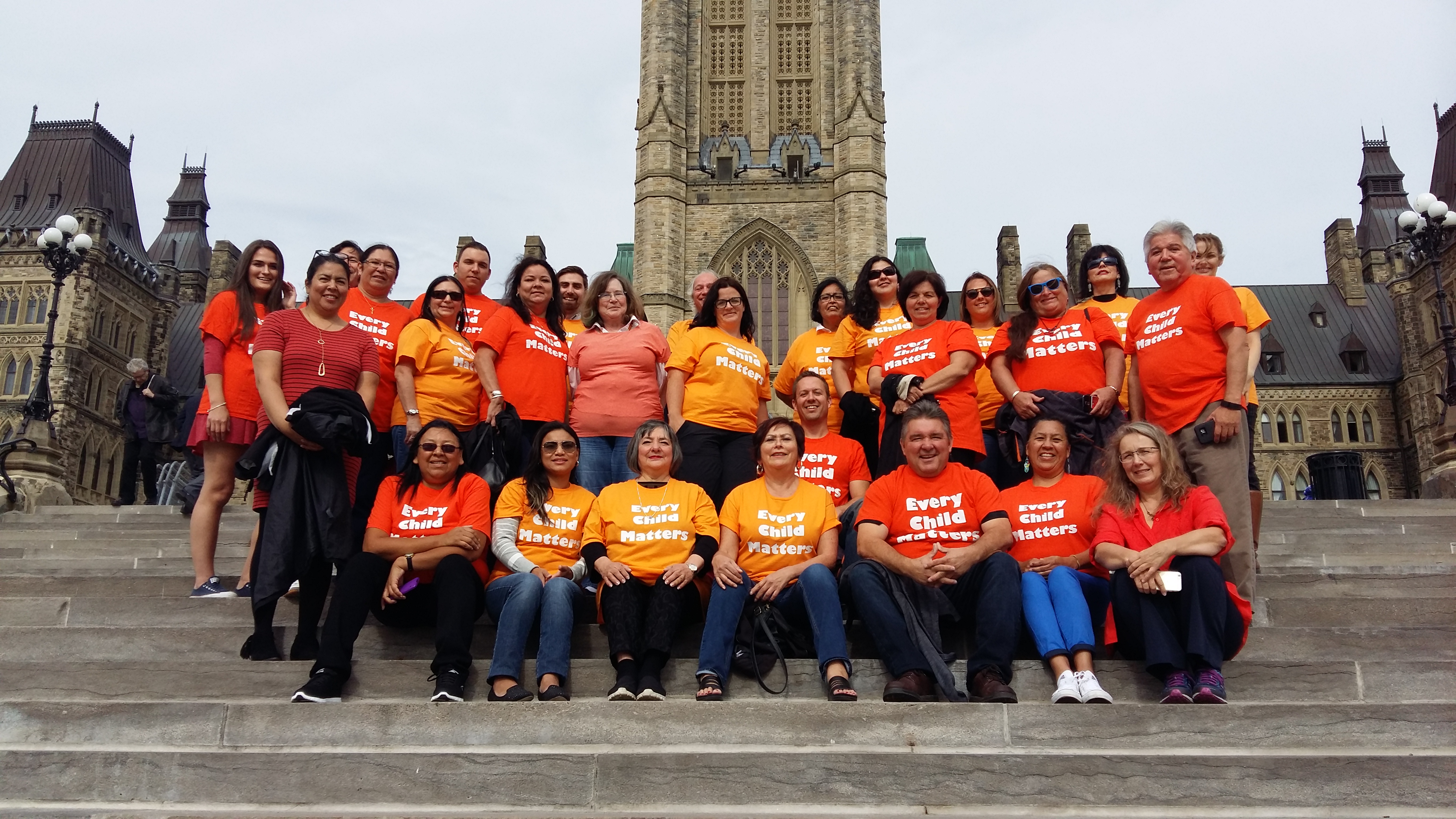
National Chief Bellegarde said that although all 94 recommendations are vital, addressing the education gap is one of the most important. One of the key recommendations in the report is that the history of Aboriginal peoples, the residential school system and its legacy become part of the curriculum, from kindergarten to the end of high school.
Drawing from the strength of survivors, the Truth and Reconciliation Commission has put Canada and Indigenous people on a path towards reconciliation.